Blog sull'automazione
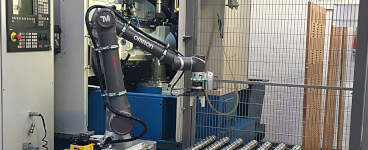
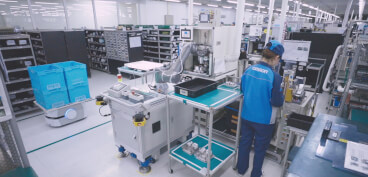
I cobot offrono a un produttore di ingranaggi un vantaggio competitivo in termini di produzione
14 Maggio 2020 Fischer Gears, produttore danese di ingranaggi, ha aumentato la competitività del suo processo di produzione, specialmente sulle serie più ampie, installando due robot Omron TM. I robot collaborativi (cobot) consentono ai dipendenti esperti di concentrarsi su attività più importanti.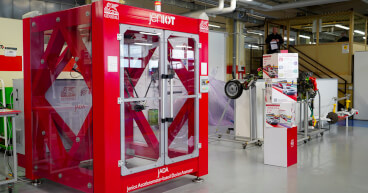
Crash test addio: per testare l’affidabilità delle scatole nere la soluzione di un robot ad altissima velocità
14 Maggio 2020 Un’applicazione non distruttiva per testare i parametri chiave delle black-box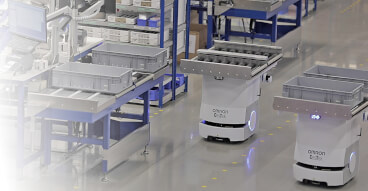
Produzione su ordinazione con una flotta avanzata di robot mobili
11 Maggio 2020 VOLA, produttore danese di rubinetteria e accessori per il bagno di design, ha aperto un nuovo stabilimento che integra una flotta di nove robot mobili Omron.
Alimentiamo la produzione di batterie in Europa
01 Maggio 2020 Cosa possono fare le aziende automobilistiche europee per ottenere linee di produzione all'avanguardia, soprattutto in merito alla produzione di batterie? La robotica, il controllo automatico della qualità e l'intelligenza artificiale (IA) possono aiutare le aziende ad affrontare la crescente concorrenza proveniente dall'Asia.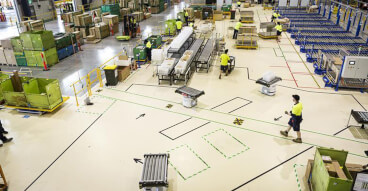
Mobile robots smarten up Toyota’s new parts centre
28 Aprile 2020 Intelligent robots and sophisticated design are helping Toyota to achieve a higher level of efficiency at its new warehouse in Sydney, Australia.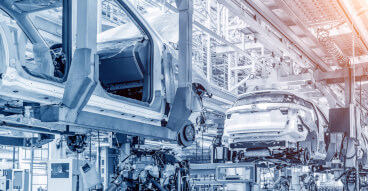
Integrated data control, motion control and machine vision for next-generation automotive production line
24 Aprile 2020 The Mexican regional headquarters of a leading manufacturer of premium air brake actuators for global on-highway and specialty markets required a new automated production assembly line. One of the company’s key performance indicators is to deliver a fully assembled product every 30 seconds, and it is with this end goal at the forefront that the team started the process of automating the production line.
Cobot e produzione flessibile- PMI più all'avanguardia?
17 Marzo 2020 Molti paesi europei, come il Regno Unito e la Germania, saranno probabilmente soggetti a gravi carenze di manodopera nel corso dei prossimi dieci anni, specialmente in relazione agli specialisti tecnici. Allo stesso tempo, i cicli di vita dei prodotti stanno diventando più brevi. Nonostante ciò, le piccole e medie imprese (PMI) potrebbero essere riluttanti a investire in ulteriore automazione. Tuttavia, i robot collaborativi (cobot) sono facili da configurare e offrono una soluzione rapida e conveniente. Possono aumentare la flessibilità, la qualità e la velocità di produzione e consentire alle aziende di rispondere rapidamente alle mutevoli condizioni del mercato. La serie TM di cobot di Omron rappresenta un ottimo esempio di questa versatilità.
ŠKODA AUTO utilizza il robot mobile LD nell'impianto di Vrchlabí
17 Marzo 2020 Il robot autonomo contribuisce al miglioramento continuo della sicurezza sul lavoro a Vrchlabí e aiuta a ridurre al minimo i rischi. Riconosce le persone che attraversano il suo percorso, così come altri veicoli e ostacoli fissi.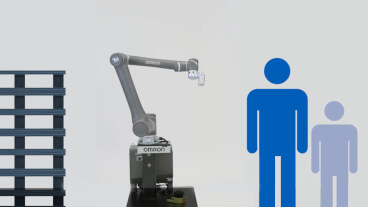
Safety in collaborative applications
10 Febbraio 2020 Collaborative robots can be used in a wide range of industrial applications. Thanks to various integral safety features, they can work safely with or near people. In addition, they can easily adapt to changing needs. This results in increased productivity, especially in repetitive tasks, enabling manufacturers to reap the benefits of a high return on their investment. However, for a cobot application to be successful, it must incorporate safety considerations based on comprehensive risk assessments. So, what are the industry safety standards and solutions that will enable a company to gain the maximum value from cobots within a collaborative workspace?
Green is key: sustainability in battery manufacturing for E-mobility
05 Febbraio 2020 Today, sustainability is no longer a niche topic, but something that companies are integrating into their business strategies. Not only are sustainability practices necessary to answer the changing demands of consumers, the marketplace and governments, they are also increasingly being seen as a competitive strength. That’s because sustainability practices reduce energy consumption and waste, and also help companies use their resources more efficiently. They even help companies optimize their manufacturing agility and enable them to respond to fluctuating demand and the growing need for personalization. And finally, sustainability can play an important role in acquiring and retaining customers, as well in developing new market opportunities.
The factory of the future: people and machines working together in harmony
20 Gennaio 2020 Automation and artificial intelligence (AI) are transforming the efficiency of industrial production, through stronger interactions between man and machine that can boost productivity. A new, promising model for ‘factory harmony’ is based on intelligent, integrated and interactive design for tomorrow's manufacturing processes.